
The following is a consolidation and elaboration of a few thoughts and interests:
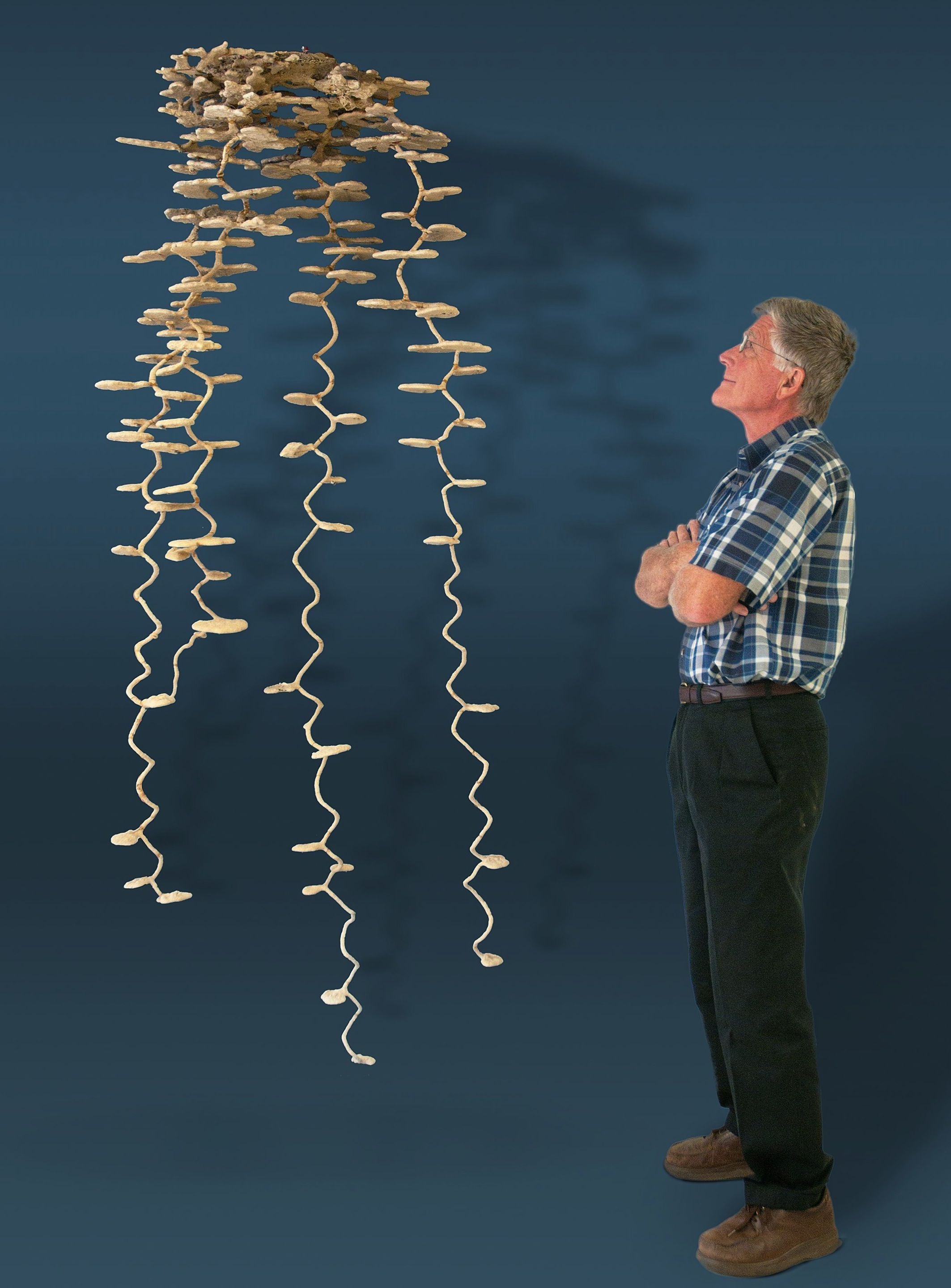
A few years ago I saw a clip of a morning talk show interviewing Dr. Walter Tschinkel and his unique method of documenting the structure and spatial arrangement of ant colonies. He would pour molten aluminum into the ant hills and then excavate the solidified cast of the colony. As his academic profile states, the research is currently focused on casting many example of colonies for many different species of ants in order to create an inventory and body of knowledge. The models lend themselves to architectural descriptions, and the term ‘ant architecture’ fits well. It reminded me of a description of Viet Cong tunnels which created a network under the Vietnamese jungle, part hideout and part launch point of attack (and now tourist destination).

Another reoccurring interest has been exploring high density development modeled after the organization of microchips. “As transistors get smaller, keeping them cool and error-free becomes more difficult.” That quote, from this article, made me think that the structures and organization patterns of micro chips could serve as the model for architectural massing models. ‘Microchip urbanism’ would have been an exercise of analogy, as buildings would operate like transistors, packed as close together as possible while allowing light and air to circulate through. (Also, I later found out a scene of the film Koyaanisqatsi compared the imagery of cities and microchips.)

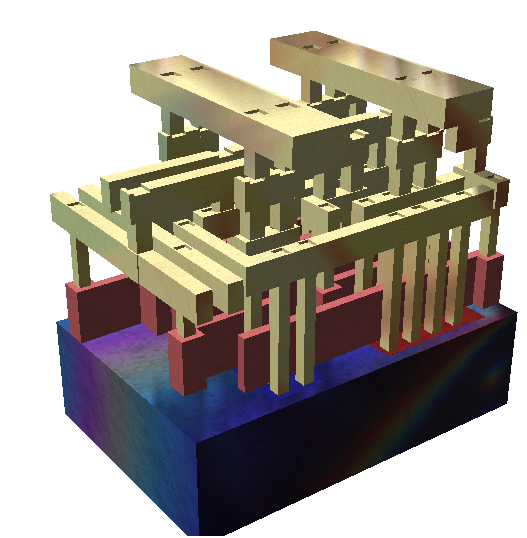
While this idea never got off the ground (I still have an insufficient understanding of circuitry structure, and I think this example stretches the idea of an analogy too far) it made me think of ways of representing urban form and massing. It made me rediscover Hugh Ferriss‘ renderings of New York’s 1916 Zoning Law and discover for the first time Richard Saul Wurman’s Cities: Comparisons of Form and Scale
 Adam Achrati
Leave a comment