
One interesting element of the RCR Library project was its ability to transform the interior courtyard of the block in which it was situated. (images from El Croquis)


By bringing the public realm in the interior of the block the project accomplished two things. Firstly it inspired all the residents facing the courtyard to take better care of their balconies. Secondly it brought about a closer reflection of the original intent of the city plan. This part of Barcelona is part of the Eixample, the large scale expansion of the city implemented in the 1860s.


The original plan, designed by Ildefons Cerda, called for a 400 meter square datum to extend around the old city, with each block an irregular octagon designed to facilitated tram turning radii.
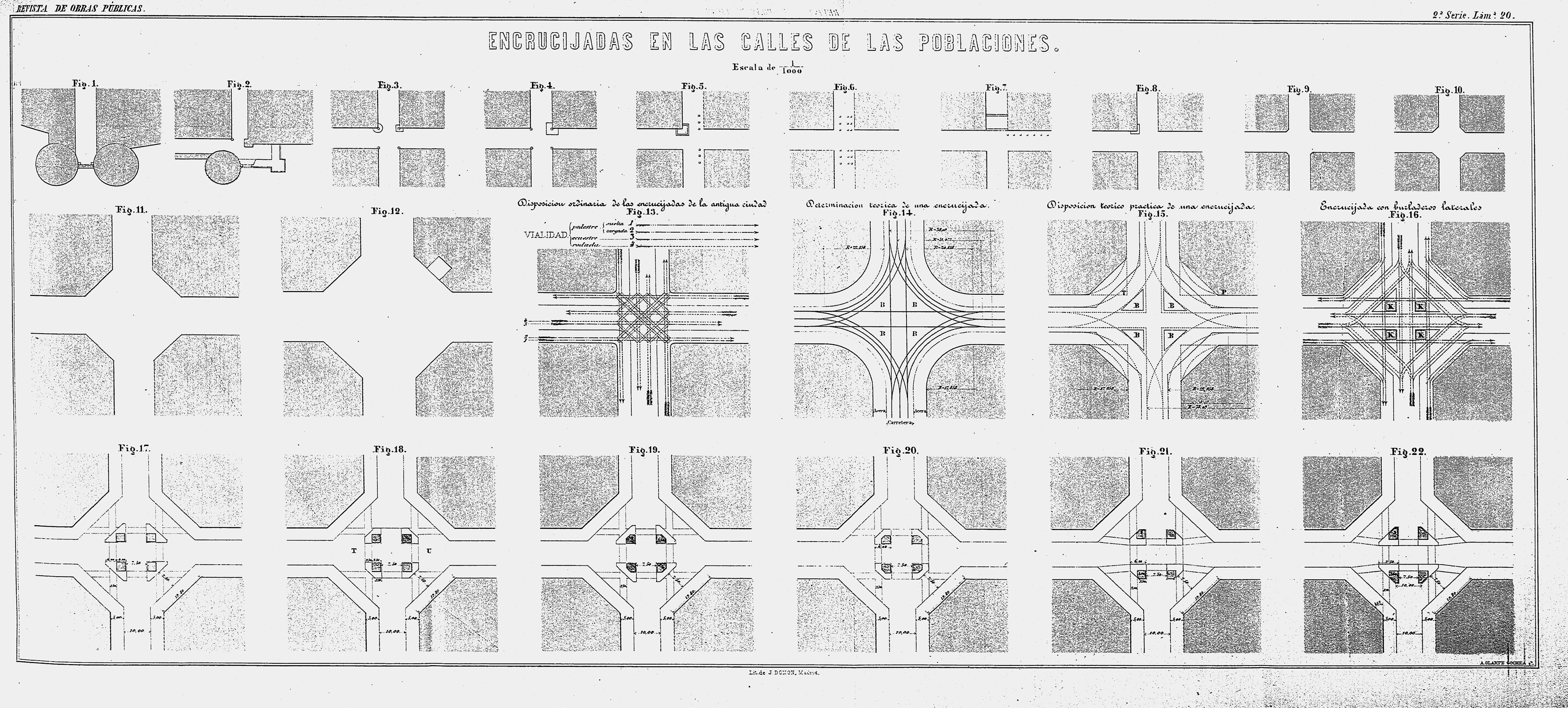
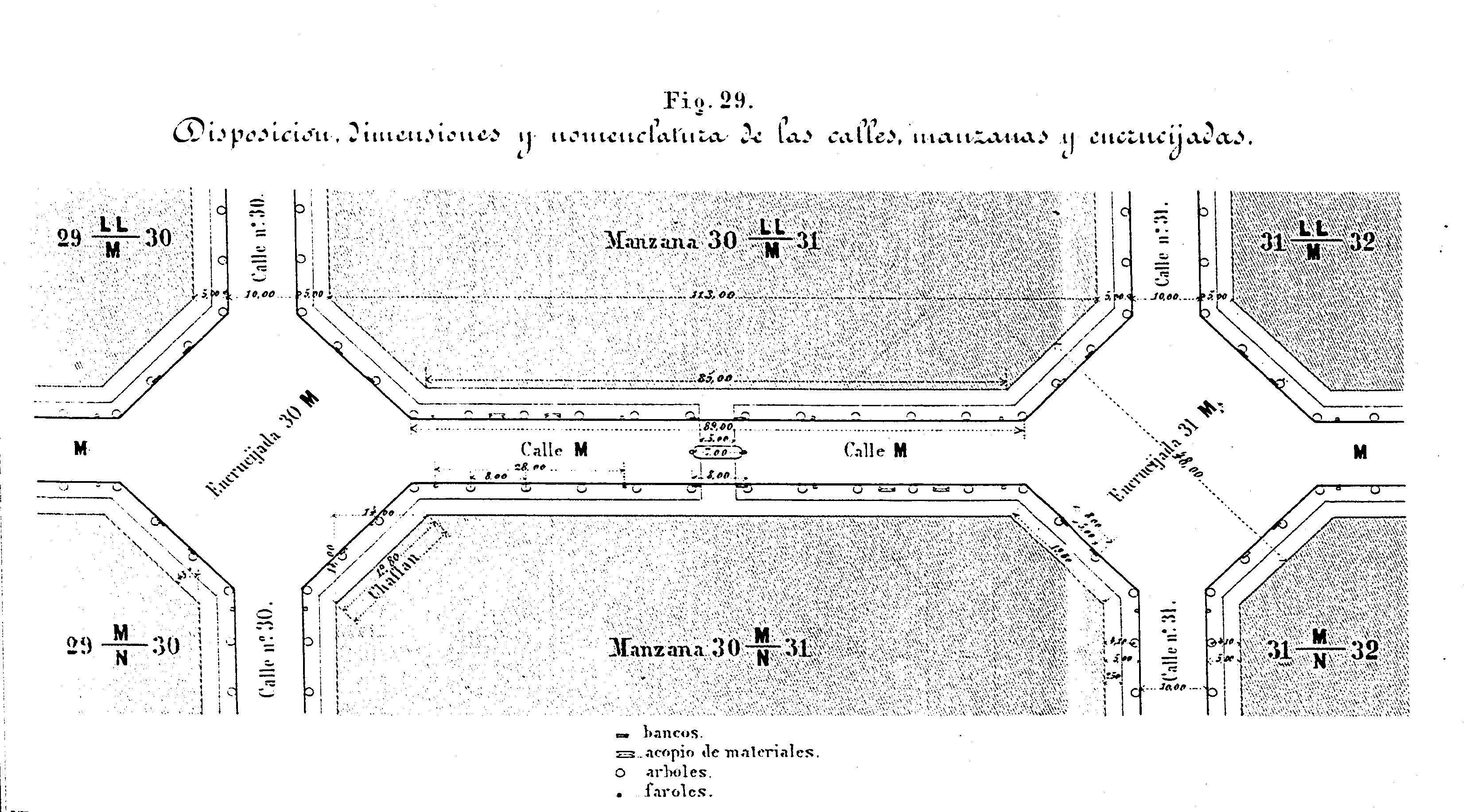
These blocks were designed to be idea proportion of built up development and open space, with most blocks being ‘zoned’ for building on two of the four main street frontages. It is my understanding that this regulation was quickly disregarded for economic and political reasons. Developers wanted to make as much money off the land as possible, and local politicians resented having Cerda’s plan picked by rulers in Madrid, over Barcelona’s preferred choice designed by Antoni Rovira i Trias. The resultant development over the years produced city blocks completely built out, street front through courtyard.
 Adam Achrati

Leave a comment