
“What is a diagram?” is a deceptively difficult question to answer in a satisfying way. Diagrams are abstract, not necessarily representational. They should suggest potential, identify relationships, and be able to generate and stimulate new ideas. A diagram is an incomplete reduction of thoughts and ideas which allow for new connections and relationships to be found within its components.
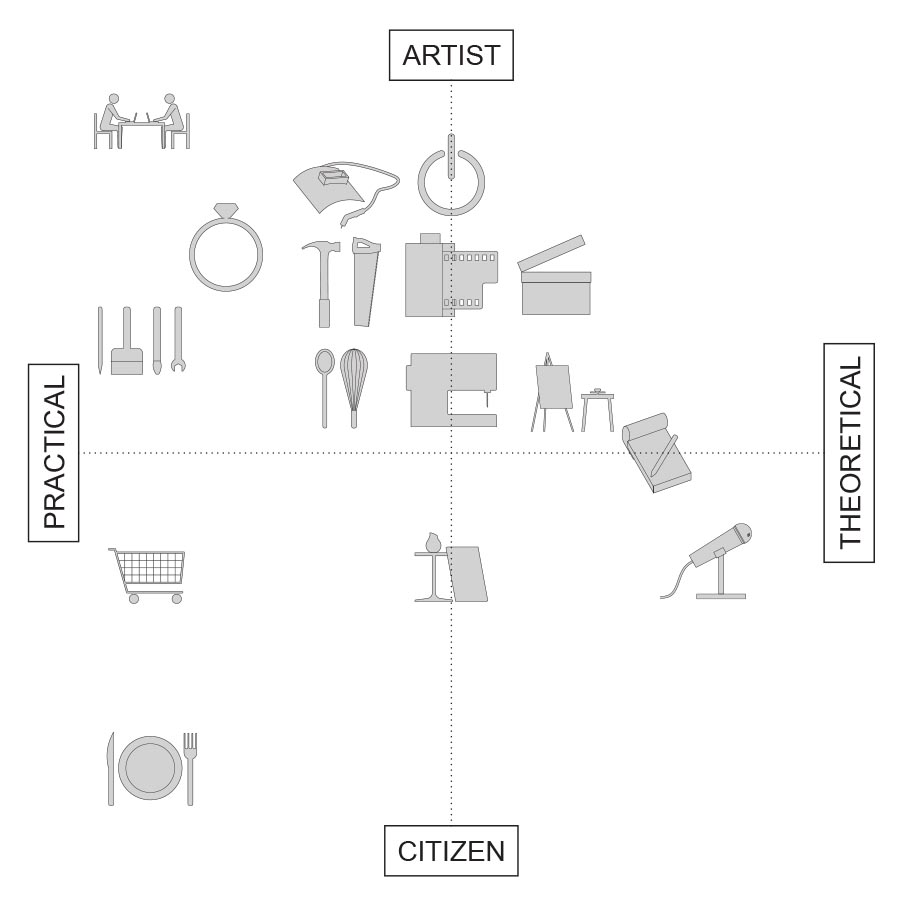
In the case of the Co-Lab/Co-working prompt discussed yesterday and the day before, diagramming became a necessary means of understanding an incredibly complex program and definition of the building. Based on some of the examples of co-labs discussed yesterday, I identified a list of types of artists and the types of spaces in which each artist works.

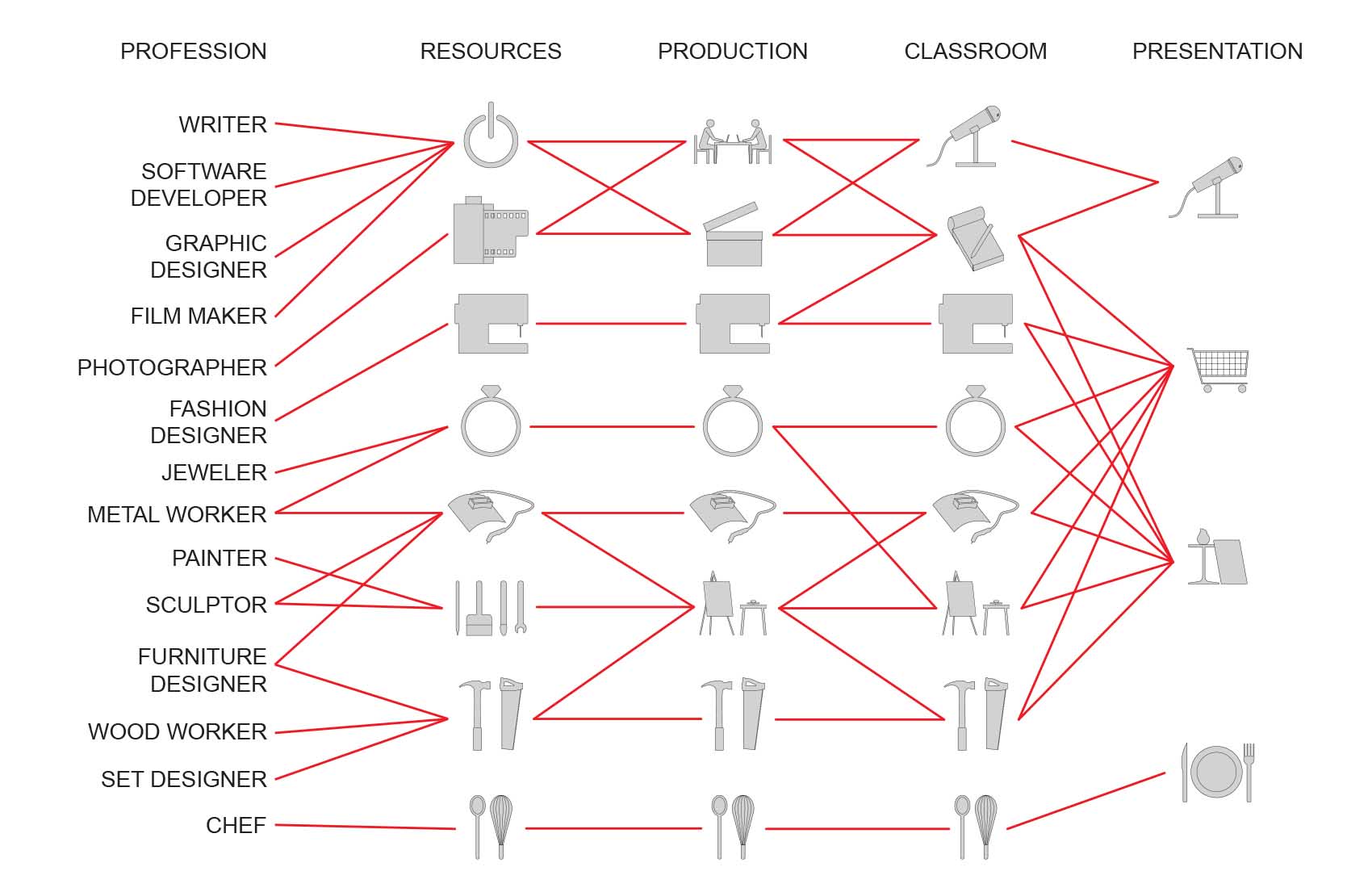
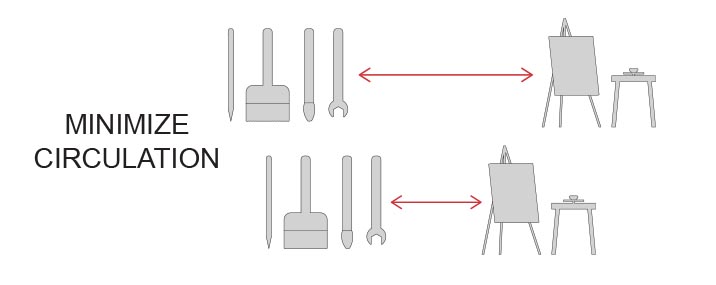
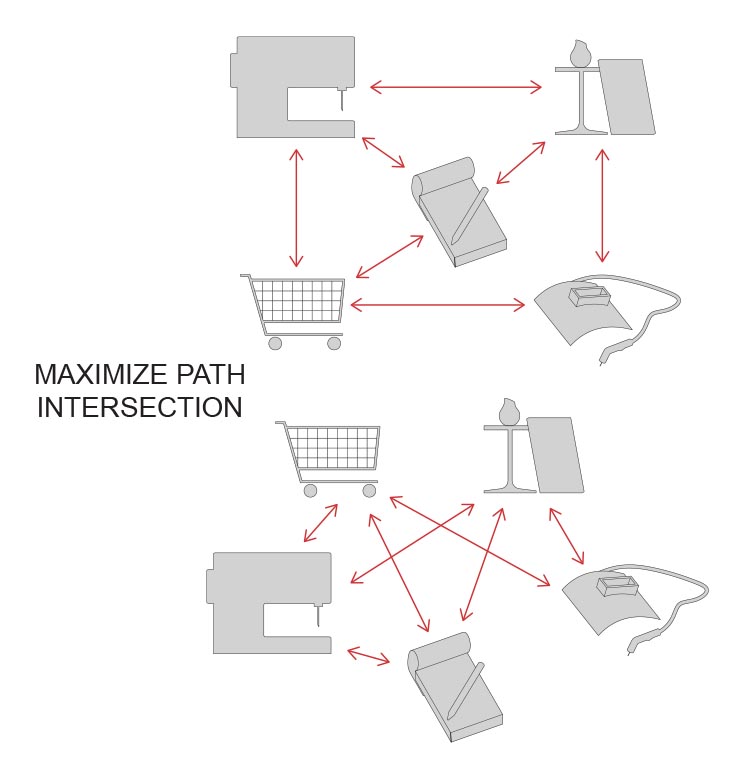
Given that these spaces thrive on interaction between different disciplines, a strategy that I identified as appropriate involved minimizing circulation patterns for specific types of users, but increasing the intersection of circulation paths between different types of users.
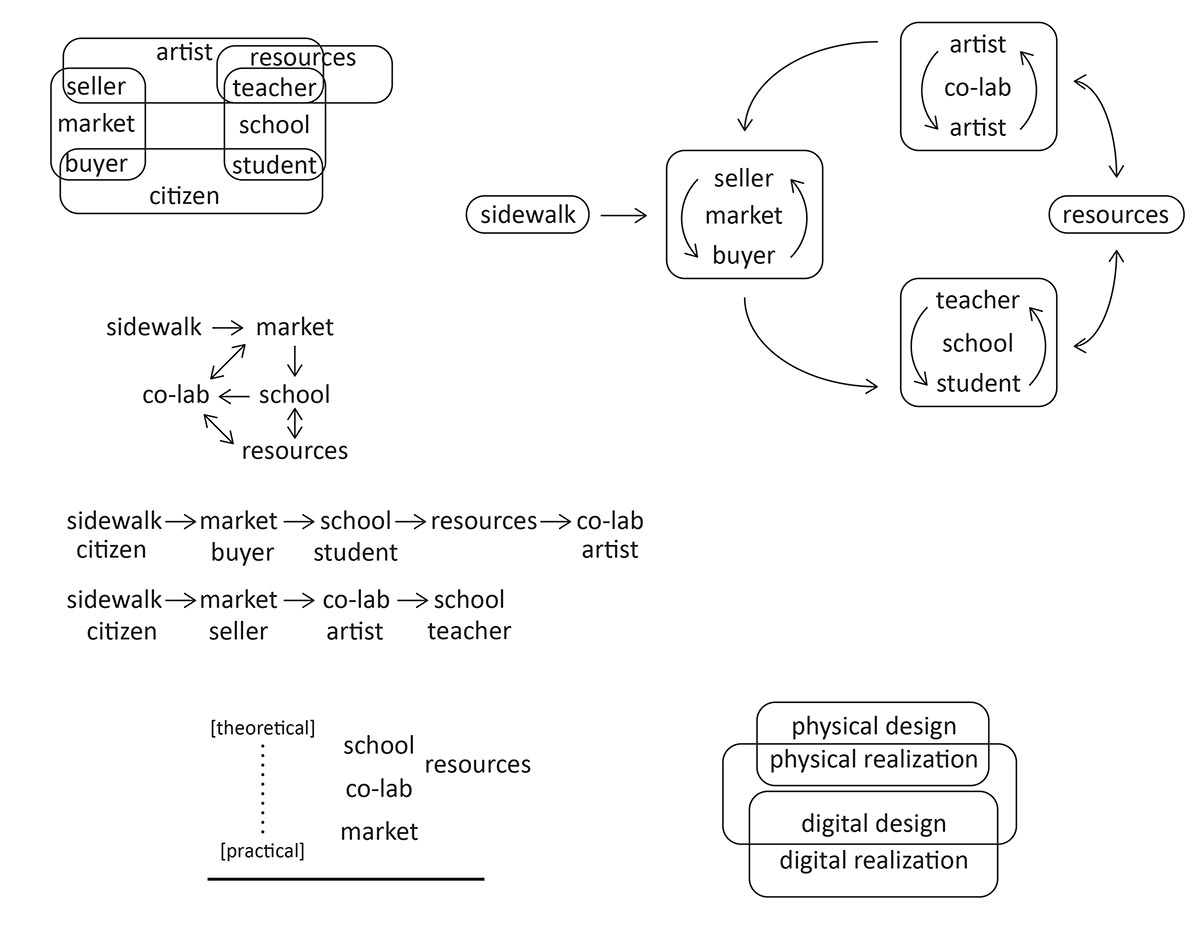
To this end there is also a logic to the way a passing pedestrian could enter the market part of the program, become a buyer, sign up for classes and become a student, learn enough to start producing work at the co-lab, selling it at the market, and eventually becoming a teacher to new students. This continuum offers a way to structure building layout strategies but is by no means deterministic. This, to me, is a necessary quality of any diagram.


Leave a Reply